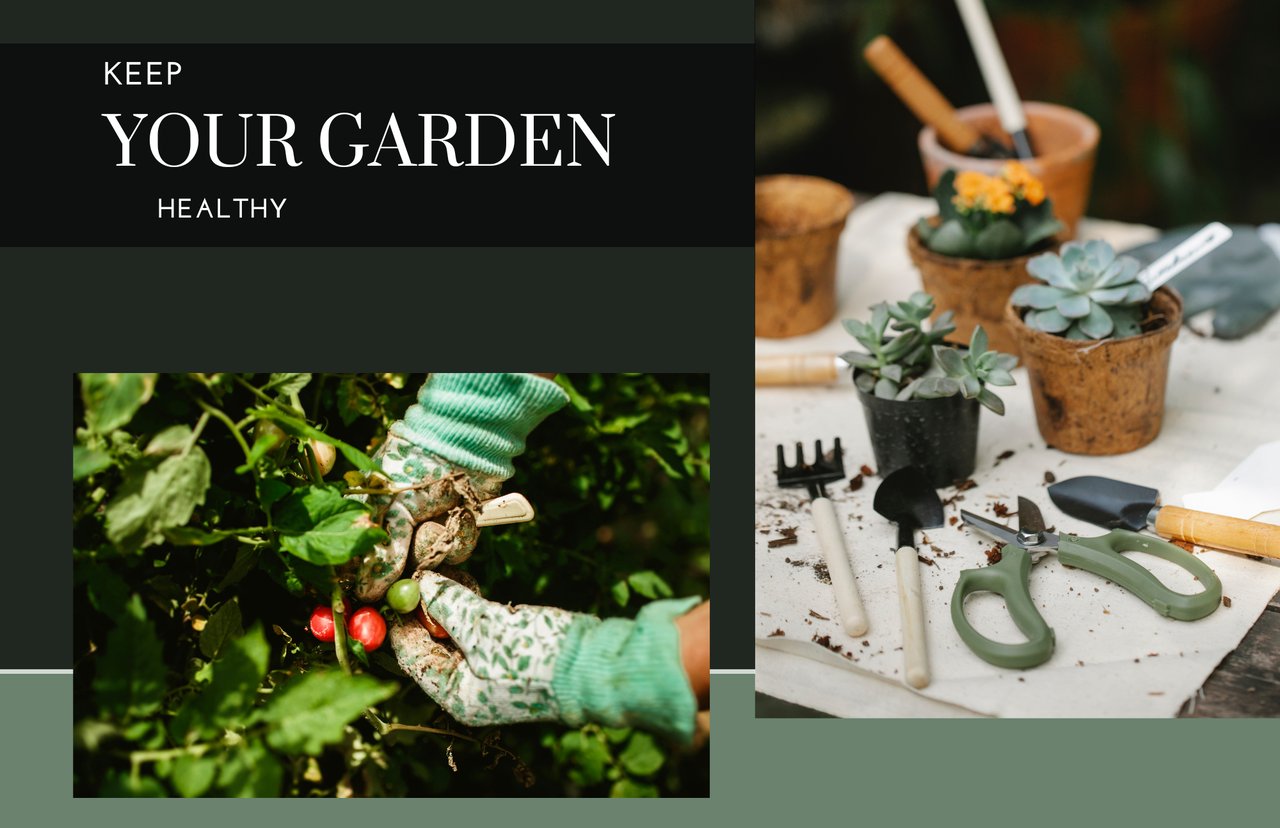
How to Keep Your Garden Healthy in Greenwood, Indiana 🌱
If you live in Greenwood, Indiana, you already know we get a little bit of everything — late frosts, humid summers, heavy spring rains, and those surprise August dry spells. The good news? Johnson County is a fantastic place to garden when you understand our local timing and soil.
Whether you're planting tomatoes behind your Center Grove home or building raised beds in Franklin Township, here’s how to keep your garden thriving all season long.
🌤 When to Plant in Greenwood, Indiana
Greenwood sits in USDA Hardiness Zone 6a/6b, which means:
-
Last average frost: Around late April (April 20–30)
-
First average fall frost: Mid to late October
🌱 Early Spring (March–April)
Plant cold-hardy crops like:
-
Lettuce
-
Spinach
-
Peas
-
Broccoli
-
Radishes
These can handle cooler temps and light frost.
🍅 Late Spring (After Late April Frost Risk)
Once soil temps warm consistently:
-
Tomatoes
-
Peppers
-
Cucumbers
-
Zucchini
-
Green beans
My opinion? If you rush tomatoes before Mother’s Day in Greenwood, you’re gambling. Wait until the soil warms up — your plants will thank you.
🌎 Know Your Soil (Johnson County Edition)
This is the step most gardeners skip — and it’s the most important.
Greenwood soil tends to be:
-
Clay-heavy
-
Dense
-
Slow-draining in some neighborhoods
Clay soil isn’t “bad” — it just needs help.
How to Improve Soil for Better Growth
✔ Add compost every season
✔ Mix in aged manure or organic matter
✔ Use shredded leaves in fall
✔ Avoid over-tilling (especially in wet soil)
✔ Consider a soil test through the local Purdue Extension office
Healthy soil = stronger roots = better harvests.
🪴 Raised Garden Beds vs. In-Ground Gardens in Greenwood
This is a big debate locally. Let’s break it down.
🪴 Raised Garden Beds

Pros:
-
Better drainage (huge in clay soil areas)
-
Warms up faster in spring
-
Easier weed control
-
Less bending (your back will approve)
Cons:
-
Higher upfront cost
-
Soil dries out faster in summer
Best for: Smaller yards, newer subdivisions with compacted soil, or gardeners wanting more control.
🌿 In-Ground Gardens

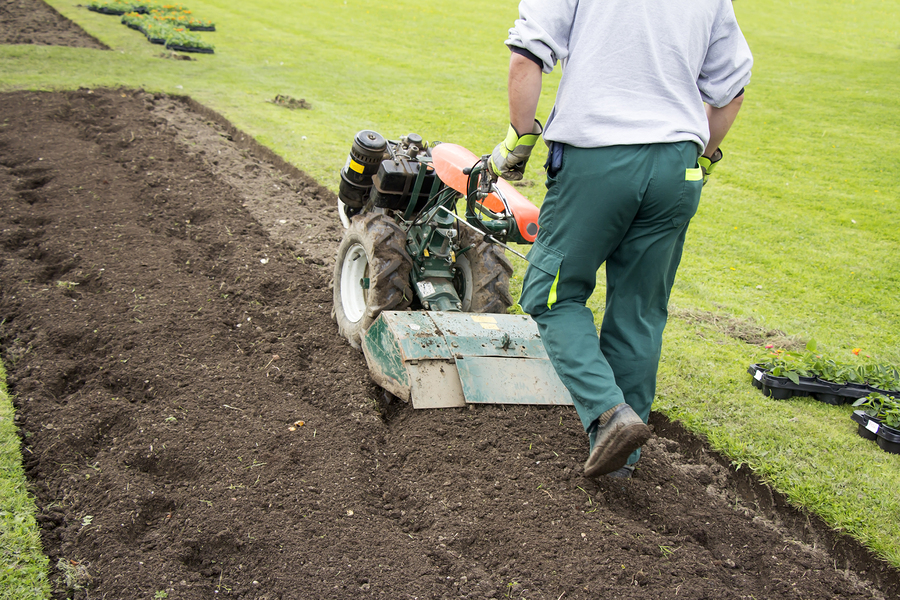
Pros:
-
Lower cost
-
Retains moisture longer
-
Great for larger gardens
Cons:
-
Requires soil amendment
-
More weeds
-
Can stay soggy in heavy rain
Best for: Larger lots (hello, Bargersville and rural Johnson County) and gardeners willing to improve soil long-term.
👉 My take? If you’re in a newer Greenwood subdivision with dense soil, raised beds are often worth it. If you’re on acreage, amend and go in-ground.
🔄 Plan and Rotate Crops
Crop rotation prevents nutrient depletion and reduces disease.
Simple rule:
-
Don’t plant tomatoes (or peppers) in the same spot two years in a row.
-
Rotate root crops, leafy greens, and fruiting plants annually.
This keeps soil balanced and plants stronger.
💧 Water Wisely
Greenwood summers can be humid but inconsistent with rain.
Best practice:
-
Water early morning (before 10 AM)
-
Water deeply, not daily
-
Aim at the base of plants
-
Use mulch to retain moisture
Evening watering is okay, but avoid soaking leaves overnight to prevent mildew.
🌸 Encourage Beneficial Insects

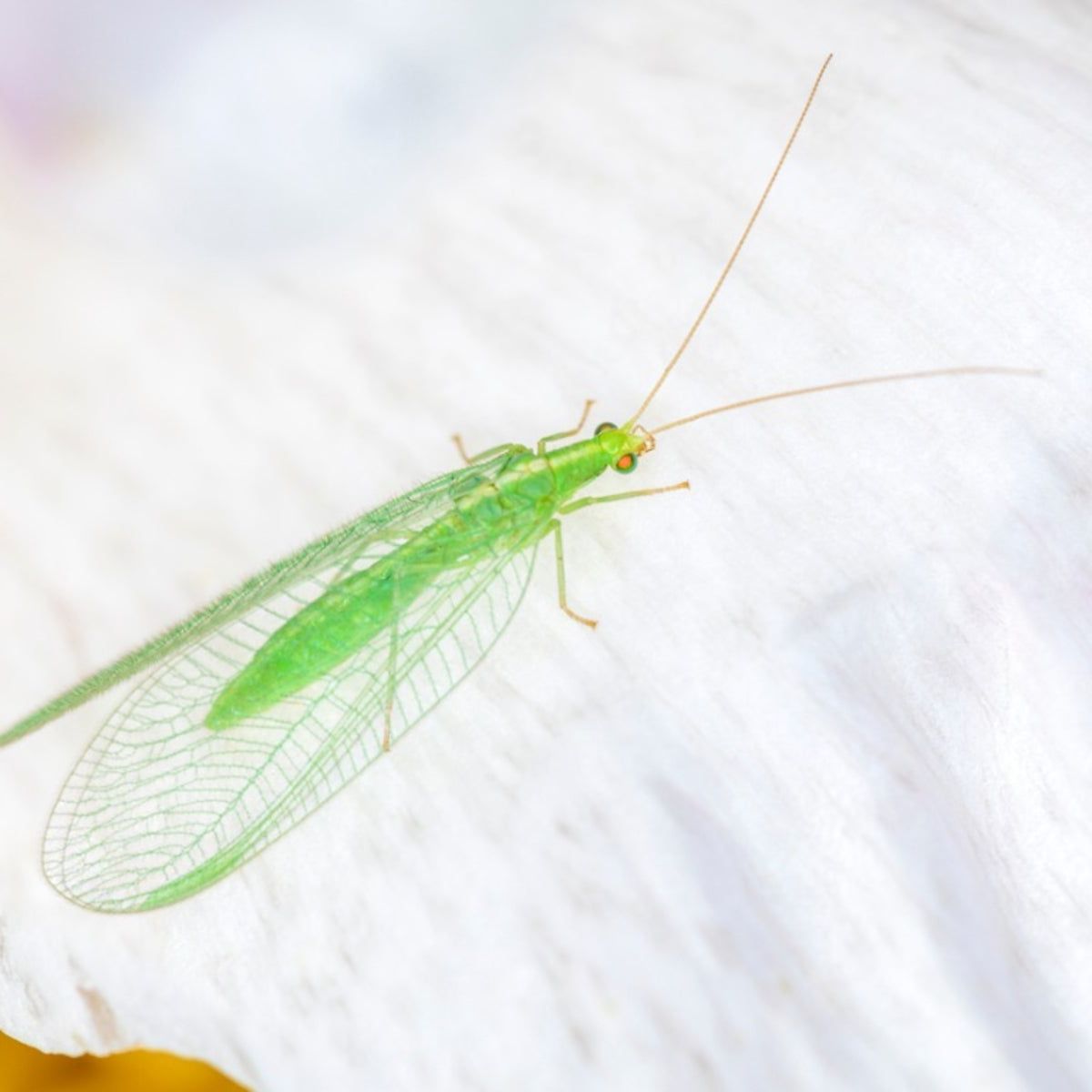

Not all bugs are bad. In fact, some are garden superheroes.
Plant:
-
Marigolds
-
Coneflowers
-
Zinnias
-
Lavender
These attract:
-
Ladybugs (aphid control)
-
Lacewings
-
Bees (pollination = more produce)
Avoid heavy pesticide use — it kills the good guys too.
🧹 Regular Maintenance Matters
A healthy Greenwood garden requires consistency.
Weekly checklist:
-
Pull weeds before they seed
-
Prune tomatoes for airflow
-
Deadhead flowers
-
Check for pests
-
Reapply mulch as needed
Gardens don’t fail overnight. They decline from neglect.
🌞 Bonus Tip: Think Fall Gardening
Most homeowners stop in August. That’s a mistake.
In Greenwood, you can plant:
-
Kale
-
Spinach
-
Lettuce
-
Carrots
in late August or early September for a second harvest.
Two harvest seasons? Yes please.
Final Thoughts
Gardening in Greenwood, Indiana is less about luck and more about timing, soil health, and consistency.
Understand your soil.
Plant at the right time.
Improve what you have.
Rotate crops.
Water wisely.
Encourage beneficial insects.
Healthy gardens aren’t complicated — they’re intentional.
If you ever want local homeowner tips (whether it's gardening, property maintenance, or getting your yard market-ready), I’m always happy to be your local resource.
Because in Johnson County… healthy yards help protect healthy home values too. 🌱🏡