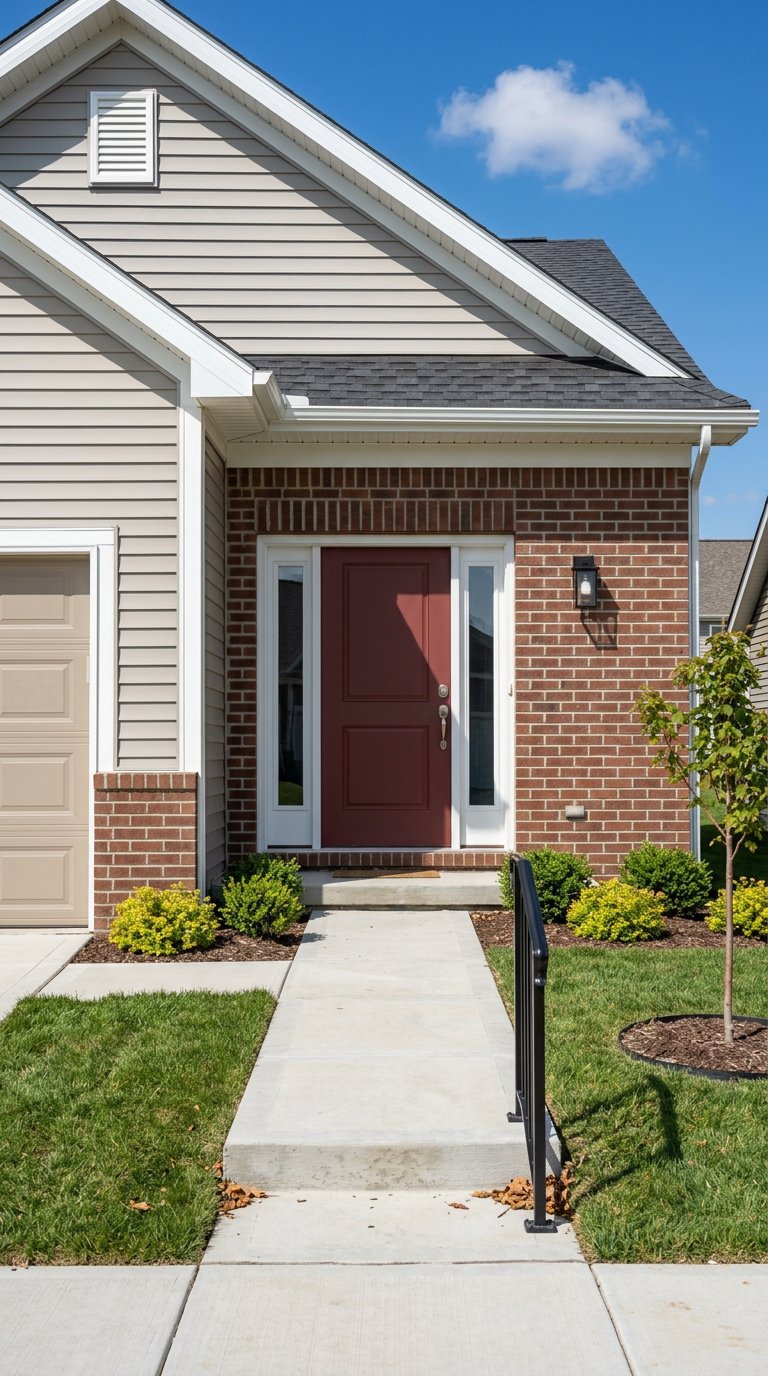
Thinking about building a new home in Whiteland or Bargersville? You are not alone. Many southside families are exploring new neighborhoods, flexible floor plans, and energy‑efficient features. In this guide, you will learn how local permits work, where builders are active, what a realistic timeline looks like, and how to finance and coordinate the sale of your current home. Let’s dive in.
What’s happening locally
Bargersville has seen strong new‑construction activity. A notable example is M/I Homes’ Sawyer Walk, a 169‑acre community planned for about 417 homesites with single‑family and paired‑villa options. Local reporting highlights this development and price points starting around the mid‑$300Ks for single‑family plans, with villas priced lower. You can see the project overview in Indianapolis Business Journal’s coverage of Sawyer Walk and the current builder details on M/I Homes’ Sawyer Walk community page.
In Whiteland, multiple production neighborhoods are active. Ryan Homes’ Briar Creek Estates showcases popular single‑family plans and occasional quick‑move options. Builders often note nearby school districts in sales materials. Always confirm actual school assignments by address before you buy.
Build timelines, incentives, and plan availability change often. Before you commit, confirm current details with the builder’s sales office and the local permitting authority.
Permits and jurisdiction basics
Your homesite’s location determines who reviews your permits and which fees apply. Lots inside the Town of Bargersville, the Town of Whiteland, or unincorporated Johnson County follow different processes.
- Johnson County Planning and Zoning lists an average building‑permit review time of about 10 business days. See posted guidance on the Johnson County Planning & Zoning page.
- Whiteland’s improvement‑location permit materials ask applicants to allow 5 to 10 business days for review. They also note that work must begin within 60 days and that permits expire after one year. Review the Town of Whiteland permit packet.
- Bargersville centralizes planning and utility applications. Find contacts and forms on the town’s planning and zoning permits page.
Confirm early whether your lot connects to municipal water and sewer or requires a private system in unincorporated areas. Tap fees, impact fees, and inspection authority can vary by jurisdiction.
Timeline: what to expect
Most production homes on prepared lots take about 6 to 12 months from contract to move‑in. Custom builds or complex sites can take longer. Weather, supply lead times, permit queues, and change orders all play a role. Plan a 10 to 20 percent buffer.
A common sequence looks like this:
- Pre‑construction and permits: due diligence, plan review, and utility coordination. Local reviews often take 5 to 10 business days depending on jurisdiction.
- Site work and foundation: clearing, grading, footings, and foundation pour.
- Framing and shell: the structure is “dried in” with roof, windows, and doors.
- Rough‑ins and inspections: plumbing, electrical, and HVAC, plus lender or municipal inspections.
- Insulation, drywall, and interior finishes: cabinets, trim, paint, and flooring.
- Final inspections, Certificate of Occupancy, and closing: lenders often require a final inspection to fund the last draw and close out construction financing.
Picking your lot and plan
Here is how selection usually works in new neighborhoods:
- Lot releases happen in phases. Premium sites overlooking a pond, on a corner, or along a tree line often carry a lot premium.
- You choose a floor plan within the community’s plan set. Model homes show finishes and craftsmanship. Builders may offer spec homes, quick‑move options, or a build‑to‑order path on a selected lot.
- Design selections happen at a design center or with curated packages. Clarify what is included in the base price versus upgrades. To see how a local master‑planned example is structured, review M/I Homes’ Sawyer Walk details.
Ask for a lot map, recorded covenants, a preliminary site plan, and any soils or geotechnical information the builder holds. Verify easements, setbacks, and any architectural guidelines with the builder or HOA.
Contracts, upgrades, incentives, and warranties
Production builders use a builder purchase agreement rather than a standard state form. Expect to see base price, standard features, and allowances for finishes. Deposits are common at contract signing. Some builders limit or disallow home‑sale or financing contingencies. Read every clause and ask questions before you sign.
- Change orders: After pricing is set, most changes add cost and can extend your timeline. Get the pricing and cut‑off dates in writing.
- Incentives and escalation language: Builders may offer rate buydowns or closing cost credits. Incentives and any cost‑escalation terms vary by community and inventory. Check the current details on each builder’s sales page, such as M/I Homes’ community listings.
- Warranties: New homes often include a layered warranty structure. A common model is 1‑year workmanship, 2‑year systems, and up to a 10‑year structural warranty administered by a third party. Review what is covered and how to file a claim. For a general overview, see this explanation of typical 10‑year structural coverage.
Expect walkthroughs at key milestones. Many builders schedule a framing or pre‑drywall walk, then a final walkthrough to create a punch list. Your Certificate of Occupancy is issued after final inspections and is often required by your lender to close.
Financing your new build
Construction lending is different from a standard mortgage. Understanding the structure can save you time and fees.
- Single‑close construction‑to‑permanent: You close once, then the loan converts to a regular mortgage when the home is complete. Learn how these loans work in this Bankrate guide to construction‑to‑permanent loans.
- Two‑step approach: Some buyers use a separate construction loan, then refinance into a permanent mortgage at completion. This creates two closings but can offer flexibility.
- Draws and inspections: Lenders release funds in stages tied to progress. Inspections or appraisals usually verify each milestone before a draw is funded. Here is a plain‑English overview of construction mortgage mechanics and draws.
- Rate locks: Ask your lender if and how you can lock the permanent rate and what extension fees apply if construction runs long.
Bring your lender and your agent into the conversation before you sign a builder contract. Aligning the contract schedule with the lender’s draw and inspection requirements helps prevent funding delays.
If you have a home to sell
Many move‑up buyers are balancing a build with selling their current home. Each path has tradeoffs.
- Sell first, then build: You avoid carrying two mortgages. You may need short‑term housing if construction runs beyond your sale closing.
- Buy first using equity or a bridge solution: Some banks offer bridge loans or home‑equity options to help you purchase before you sell. Review this overview of construction and bridge financing considerations and discuss terms with your lender early.
- Sale contingencies in builder contracts: Production builders often limit or decline sale contingencies because they complicate scheduling and financing. If allowed, expect tight timelines.
A simple timing approach that works for many families: target your listing to go live 60 to 90 days before foundation start. That window gives you time to secure a buyer, negotiate a flexible possession date or short rent‑back, and plan for a buffer if weather or materials delay the build.
Local checklists you can use
Use these prompts to organize your plan and protect your budget.
Questions to ask the builder
- How many homes have you completed locally in the last 12 to 24 months? Who handles warranty service and what third‑party structural warranty do you provide?
- What is the base price versus allowances? What upgrades are available and when do selections lock? What deposits are nonrefundable and are financing or sale contingencies allowed?
- What are typical build times for this plan on this lot? Who schedules permits and inspections? Are there lot premiums, HOA fees, or planned future phases or amenities that could affect traffic or taxes? See how a local master‑planned example structures amenities on M/I Homes’ Sawyer Walk page.
Lender and builder coordination
- Which construction draws require inspections and which documents are needed for each draw? Ask your lender for the draw schedule and inspection process.
- Will the lender allow a permanent rate lock? What are the extension fees if the build runs long?
Pre‑contract verification
- Confirm whether your lot is in Whiteland, Bargersville, or unincorporated Johnson County and who the permitting authority is. Start with the Johnson County Planning & Zoning page, Whiteland’s permit packet, or Bargersville’s permit portal.
- Verify utilities, easements, setbacks, and any HOA or architectural guidelines that affect exterior materials and landscaping.
Closing and move planning
- Coordinate your target Certificate of Occupancy date, final lender inspection, and last construction draw with your closing date.
- Plan a 2 to 4 week buffer for your move. Confirm whether the builder requires all punch‑list items to be complete before final funding.
Ready to explore lots or models?
Building in Whiteland or Bargersville can be a smart move if you plan your permits, financing, and sale timing with care. If you want a clear process, organized checklists, and help coordinating with builder and lender teams, let’s talk. Connect with Angi Oakes to map your plan, tour communities, and line up the sale of your current home with a proven, marketing‑first strategy.
FAQs
How long does new construction usually take in Johnson County?
- Most production builds on prepared lots take about 6 to 12 months, with weather, materials, and change orders affecting timing. Plan a 10 to 20 percent buffer.
What permits do I need to build in Whiteland or Bargersville?
- Permit authority depends on location. Start with the Johnson County Planning & Zoning page, Whiteland’s permit packet, or Bargersville’s portal to confirm requirements and review times.
How do construction‑to‑permanent loans work for a new build?
- A single‑close loan funds construction in draws, then converts to a mortgage at completion, often with interest‑only payments during construction. See Bankrate’s guide for details.
What should I watch for in a builder contract?
- Clarify deposits, allowances, upgrade cut‑off dates, change‑order pricing, incentives, and any limits on contingencies. Ask for the full warranty document and claims process.
How do new‑home warranties typically work?
- Many builders offer 1‑year workmanship, 2‑year systems, and up to a 10‑year structural warranty administered by a third party. Review coverage and claim steps, and see a general overview from 2‑10 Home Buyers Warranty.
What are my options if I need to sell a home while I build?
- You can sell first and rent short‑term, use a bridge or equity solution to buy first, or attempt a sale contingency if a builder allows it. Discuss timing, costs, and risk with your agent and lender early.